Mastering the Art of Mindful Breathing: A Guide to Pranayama

By Anya Sharma | Published on

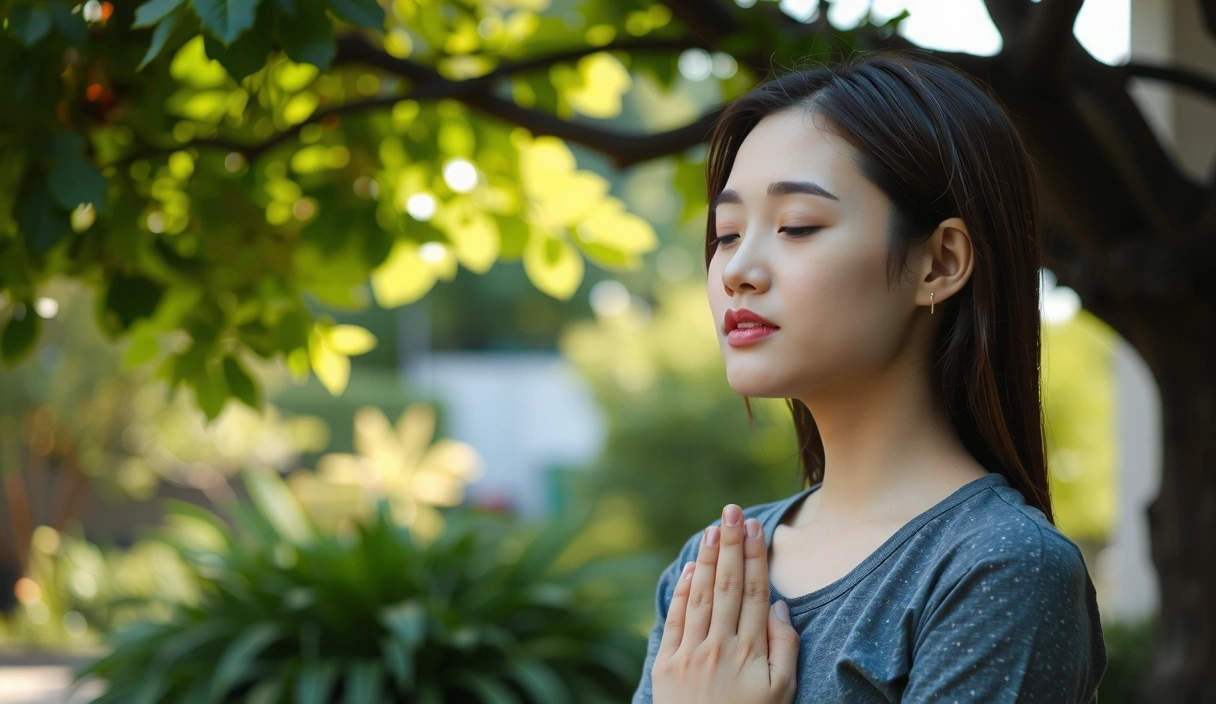
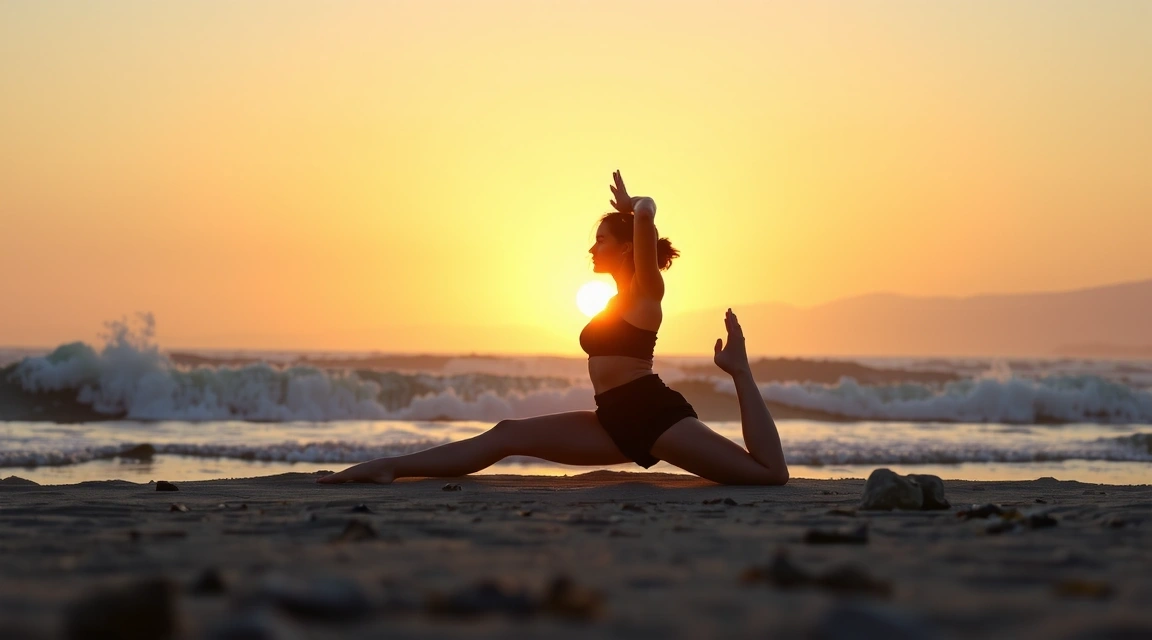
A person practicing mindful breathing in a serene outdoor setting, with lush greenery and soft natural light. Focus on calm expression and gentle hand gestures.

Explore the ancient practice of Pranayama to enhance your well-being and deepen your yoga journey.

Introduction to Pranayama: The Breath of Life

Pranayama, derived from Sanskrit, means "extension of life force" or "control of breath." It is a fundamental component of yoga, often considered the bridge between the physical postures (asanas) and the meditative practices. More than just simple breathing exercises, Pranayama involves specific techniques to consciously regulate breath, influencing physical health, mental clarity, and emotional balance. In the fast-paced modern world, the art of mindful breathing offers a powerful antidote to stress, anxiety, and scattered attention.

The Science Behind the Breath

Our breath is intrinsically linked to our nervous system. Shallow, rapid breathing, common in stressful situations, activates the sympathetic nervous system – our "fight or flight" response. Conversely, deep, slow, and controlled breathing stimulates the parasympathetic nervous system, promoting relaxation, digestion, and healing. Pranayama techniques leverage this connection, allowing us to actively shift our physiological and psychological states.

  • Oxygenation: Proper breathing increases oxygen intake to the brain and body, enhancing cognitive function and energy levels.
  • Stress Reduction: Calms the nervous system, reducing cortisol levels and alleviating symptoms of anxiety and depression.
  • Improved Focus: Directing attention to the breath trains the mind to stay present, improving concentration and mindfulness.
  • Detoxification: Efficient breathing aids in the removal of toxins from the body.
  • Enhanced Digestion: The rhythmic movement of the diaphragm massages internal organs, supporting digestive health.

Key Pranayama Techniques for Beginners

For those new to Pranayama, starting with simple, foundational techniques is crucial. Consistency is more important than complexity. Find a quiet space, sit comfortably with a straight spine, and prepare to connect with your breath.
1. Dirga Pranayama (Three-Part Breath)

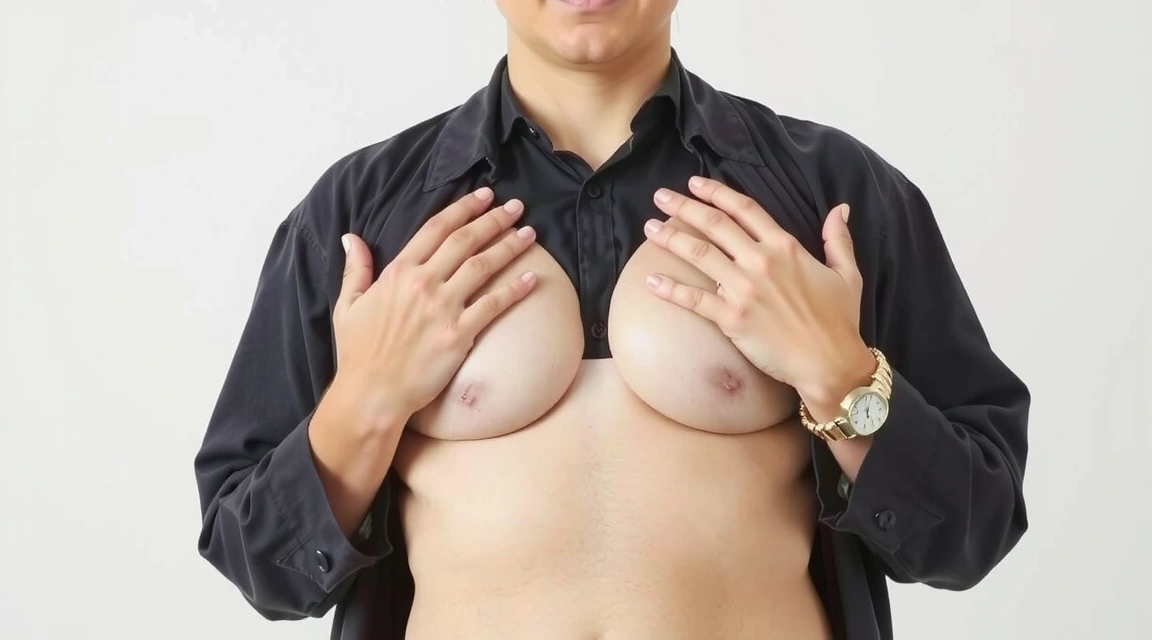
A person demonstrating three-part breath (Dirga Pranayama) with hands placed on chest and abdomen, showing the expansion of the belly, ribs, and chest during inhalation.

This foundational practice teaches you to fill your lungs completely, in three distinct stages: belly, ribs, and chest.
  1. Sit comfortably, place one hand on your belly and the other on your chest.
  2. Inhale slowly through your nose, first expanding your belly, then your rib cage, and finally your chest. Feel the breath rise.
  3. Exhale slowly through your nose, letting the breath release from your chest, then your ribs, and finally drawing your navel towards your spine.
  4. Repeat for 5-10 minutes, focusing on the smooth, sequential flow of breath.

2. Nadi Shodhana (Alternate Nostril Breathing)

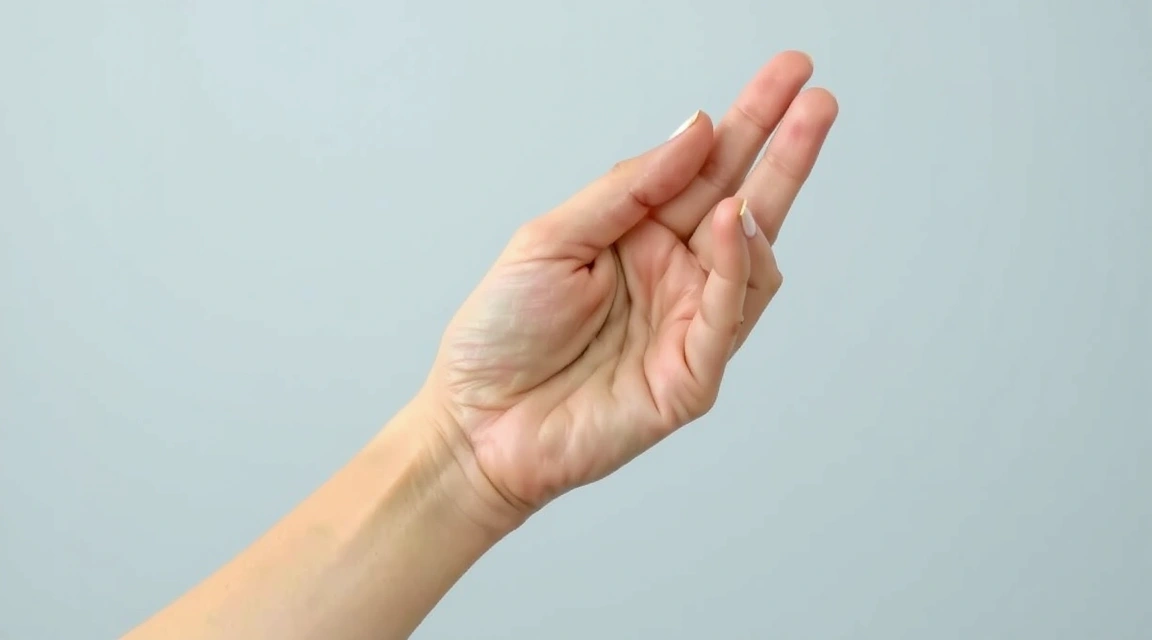
Close-up of a hand performing Nadi Shodhana mudra, gently closing one nostril with the thumb and the other with the ring finger, demonstrating alternate nostril breathing. Soft focus on the hand and serene background.

Nadi Shodhana is excellent for calming the mind, reducing stress, and balancing the left and right hemispheres of the brain. It's particularly effective before meditation or sleep.
  1. Sit comfortably. Bring your right hand into Vishnu Mudra (fold your index and middle fingers into your palm).
  2. Close your right nostril with your right thumb. Inhale slowly through your left nostril.
  3. Close your left nostril with your ring finger. Release your thumb from your right nostril and exhale slowly through your right nostril.
  4. Inhale through your right nostril.
  5. Close your right nostril with your thumb. Release your ring finger from your left nostril and exhale slowly through your left nostril.
  6. This completes one round. Continue for 5-10 rounds, maintaining a smooth, even breath.

3. Ujjayi Pranayama (Victorious Breath)

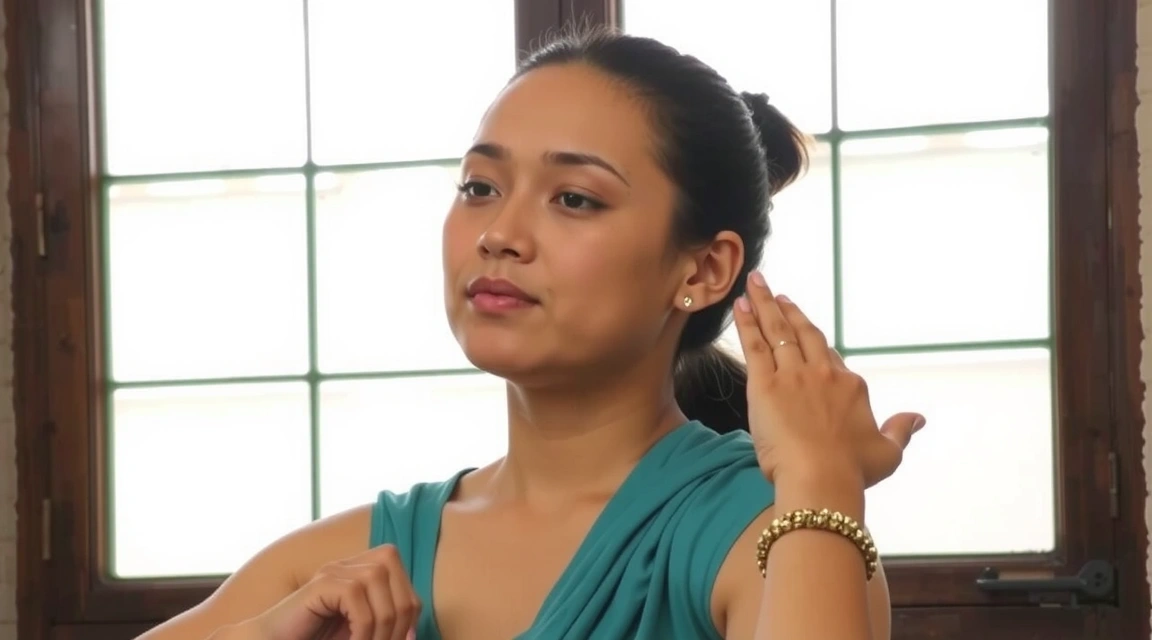
A person demonstrating Ujjayi Pranayama, with a gentle and focused expression, possibly showing a slight constriction in the throat area as they breathe. Peaceful setting.

Often practiced during physical yoga asanas, Ujjayi Pranayama creates a soft, audible oceanic sound in the back of the throat. It helps build internal heat, focuses the mind, and smooths the flow of breath.

  1. Sit comfortably or practice during your asana flow.
  2. Gently constrict the back of your throat, as if you are whispering "ahh" with your mouth closed.
  3. Inhale and exhale through your nose with this gentle constriction, creating a soft, consistent sound.
  4. Focus on the sound and the length of your inhales and exhales, aiming for equal duration.
"When the breath wanders, the mind is unsteady, but when the breath is still, so is the mind still."

Integrating Pranayama into Your Daily Life

The beauty of Pranayama is its accessibility. You don't need special equipment or a dedicated studio. Even a few minutes a day can yield significant benefits.

  • Morning Ritual: Start your day with 5-10 minutes of Nadi Shodhana to calm and focus your mind.
  • Stressful Moments: Use Dirga Pranayama during moments of tension or overwhelm to quickly recenter yourself.
  • Before Sleep: Practice Nadi Shodhana or slow, deep belly breathing to prepare for restful sleep.
  • During Yoga Practice: Integrate Ujjayi Pranayama to deepen your asanas and enhance mindfulness.
  • Mindful Pauses: Throughout your day, take short breaks to simply observe your breath, noticing its rhythm and depth.

Cautions and Best Practices

While Pranayama is generally safe, it's important to approach it with awareness.

  • Listen to your body: Never force your breath or strain. If you feel dizzy or uncomfortable, stop and return to natural breathing.
  • Practice on an empty stomach: It's best to practice Pranayama at least 2-3 hours after a meal.
  • Consult an expert: If you have any respiratory conditions or health concerns, consult a doctor or a qualified yoga instructor before starting advanced practices.
  • Consistency: Regular short practices are more beneficial than infrequent long ones.

Embracing Pranayama is a journey of self-discovery, inviting you to connect more deeply with your inner self. By consciously working with your breath, you unlock a powerful tool for health, happiness, and inner peace. Start today and experience the transformative power of mindful breathing.

More Insights from Our Blog